
Services
Appointment Offerings
Acupuncture
These treatments can include acupuncture needles, cupping, gua sha, moxibustion, and/or
e-stimulation
New Patients
First time coming in?
This is the appointment for you!
Returning Patients
Coming back for follow up on your treatment plan? Schedule this one!
Needle-Free Treatments
These are other traditional Chinese medical modalities that do not use needles
Tui Na
Chinese medical massage for pain relief and injury recovery
Needle-Free Appointment
A custom mix of acupressure, cupping, gua sha, and mindfulness practices
Cupping + Gua Sha
A session for only cupping, gua sha, treatment
Deluxe Treatments
These are combined services, specializations, or add-ons to treatment
Traditional Chinese Medical Lymphatic Drainage Massage
Acupuncture + Tui Na Treatment
Facial Acupuncture
A session focused on cosmetic acupuncture or head/face pain
Celluma
An LED light therapy session. Learn more about the science behind Celluma.
Acupuncture
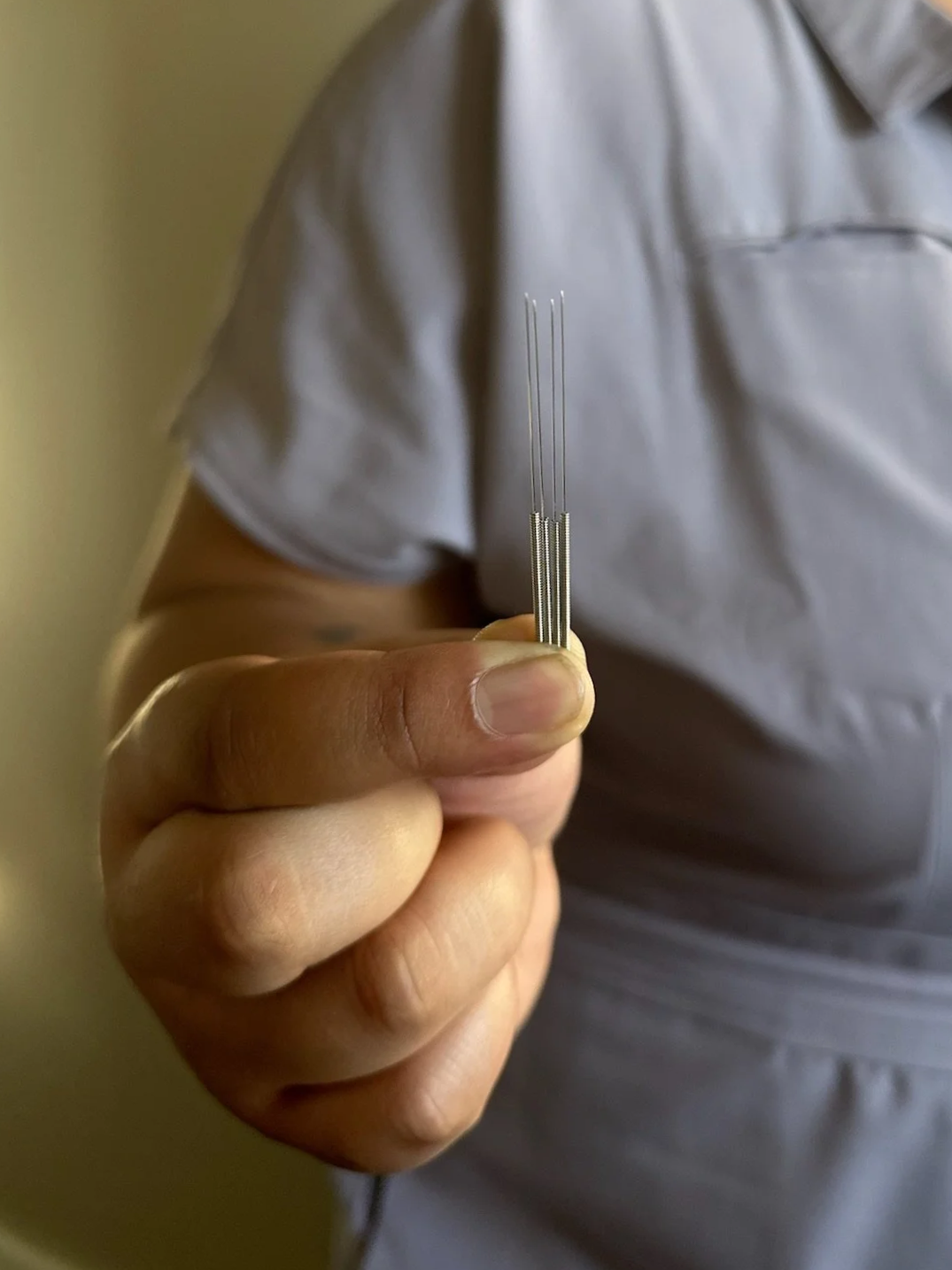
Acupuncture 針灸 is a practice of Traditional Chinese Medicine that uses thin needles to stimulate the body’s natural healing response. The earliest records of acupuncture are from 2500 BC in China.
An acupuncturist analyzes a patient’s signs, symptoms, pulse, and tongue to diagnose and treat what is known as a “pattern of disharmony".” The needles help activate points along channels that will release the movement of Qi in the body.
What to expect:
Your acupuncturist will discuss your goals for treatment and ask comprehensive questions about your body systems. Acupuncture needles are inserted and retained as the patient relaxes sitting or laying down (facing up or down based on the points that need to be accessible). After about 20-30 minutes, all needles are removed. All needles are single-use, sterile, medical grade, stainless steel and are disposed of in a sharps container after usage.
Moxibustion
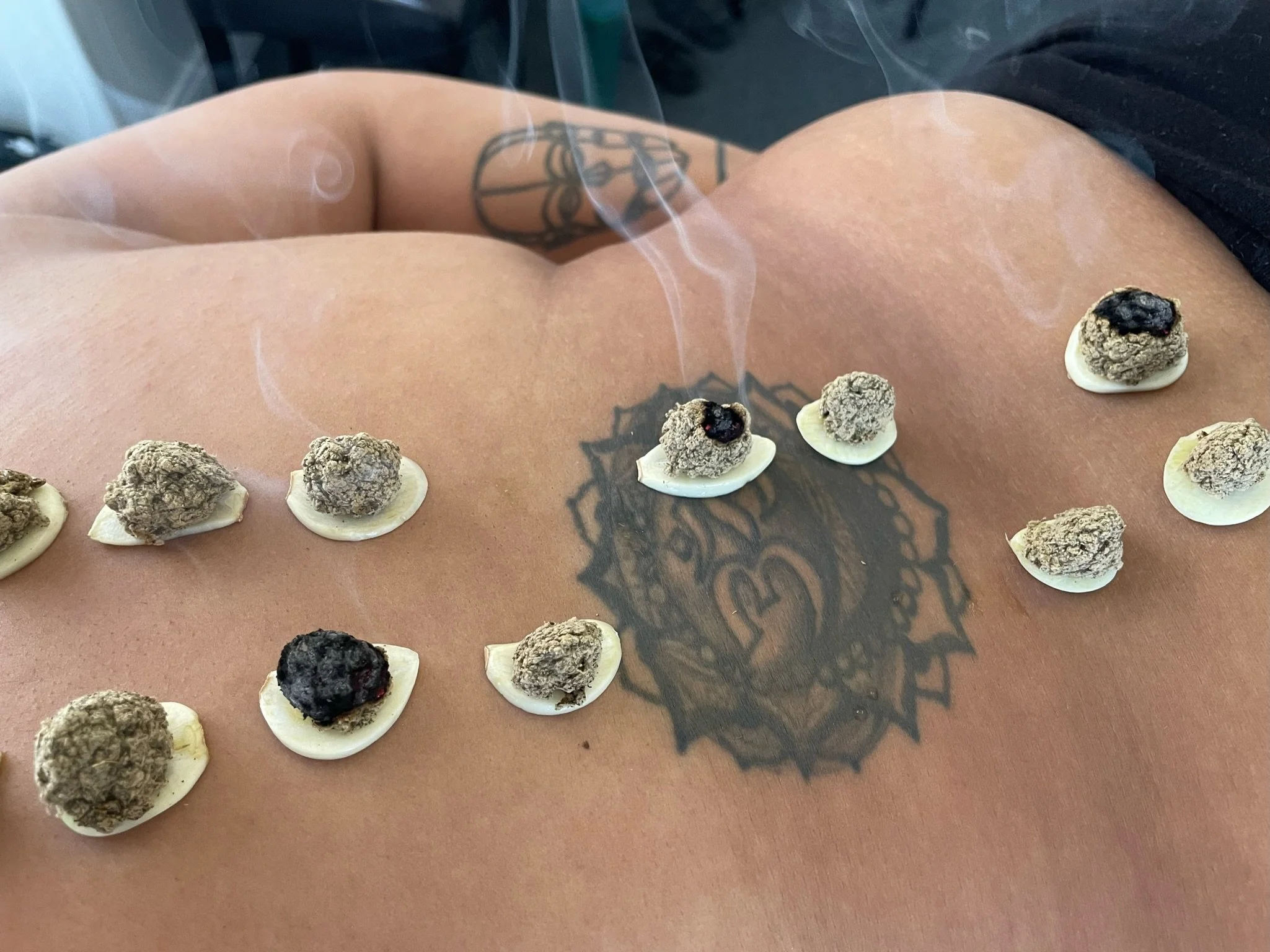
Moxibustion 艾灸, or “moxa,” is the burning of dried mugwort (artemisia argyi) over points on the body. This warming and tonifying method is effective for treating a variety of conditions such as joint pain, menstrual issues, and is commonly used to turn breech babies. Moxa strengthens Qi and Yang, warms the channels, and dries Dampness.
What to expect:
There are many types of moxibustion. Your acupuncturist may place moxa directly onto your body or into a vessel to burn. The moxa causes a warming sensation on the skin. Your acupuncturist will remove it before it gets too hot, and repeat this process a few times. If you have any smoke sensitivities please alert your practitioner. There are smokeless moxa options your acupuncturist can use as well.
Cupping
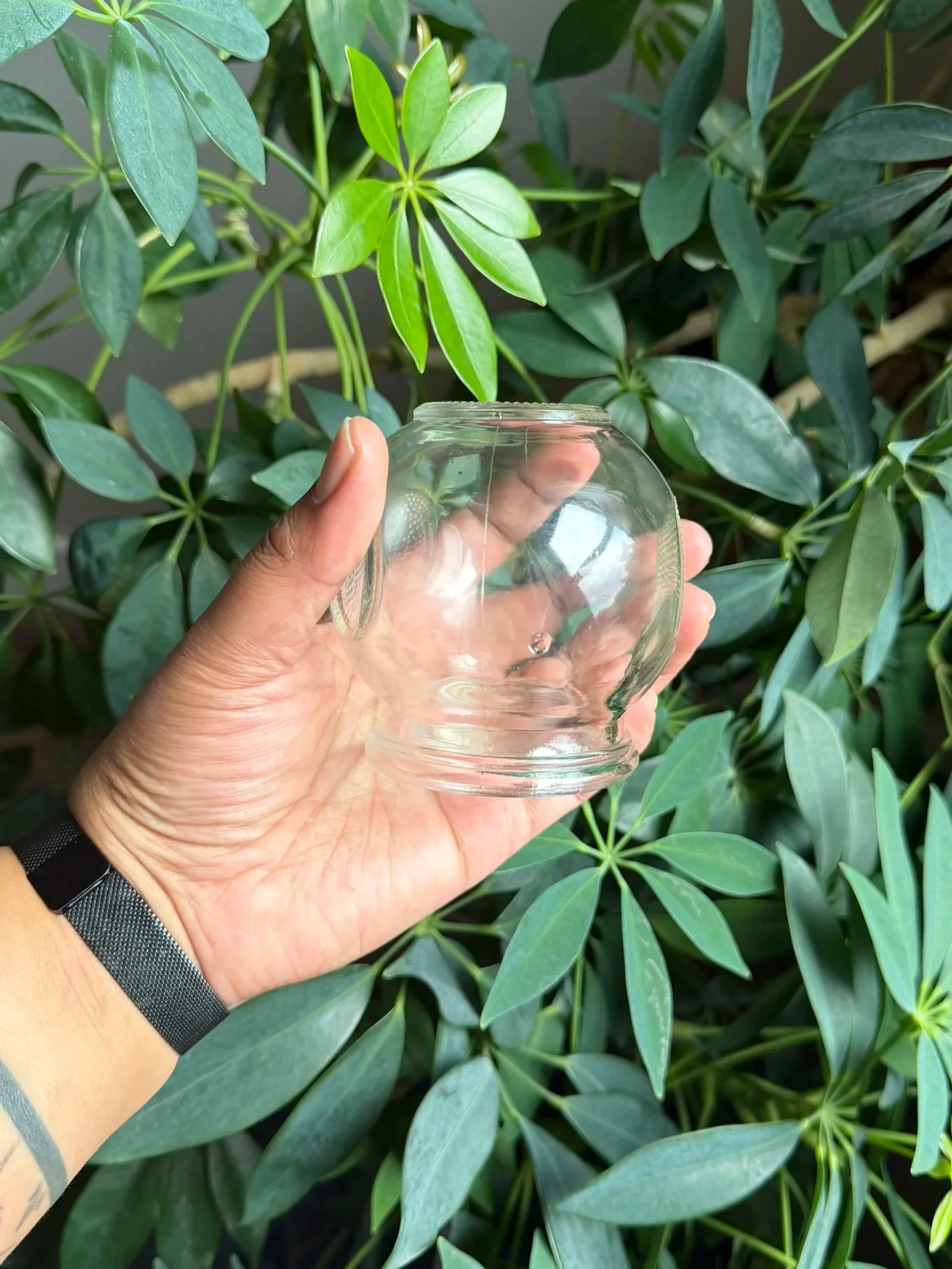
Cupping 拔罐法 uses glass, silicon, or plastic suction cups to reduce pain, increase blood flow to an area, and soothe respiratory illnesses. Cupping works by moving stagnant Qi and Blood, dispelling Cold-Damp, and Releasing the Exterior.
What to expect:
Through vacuum suction via pump or heat, cupping lifts and lengthens muscles and stretches fascia tissue. Cupping feels like a suction over the skin, and the intensity depends on the strength of the suction and the location of the cup. Your acupuncturist may leave the cups in their position, or run the suctioned cup manually over the skin. Cupping typically lasts no longer than 15 minutes.
The pink to deep-purple circular marks that are left behind are an indication of Qi and Blood being moved. These marks should be kept warm, dry, and covered until they fade away.
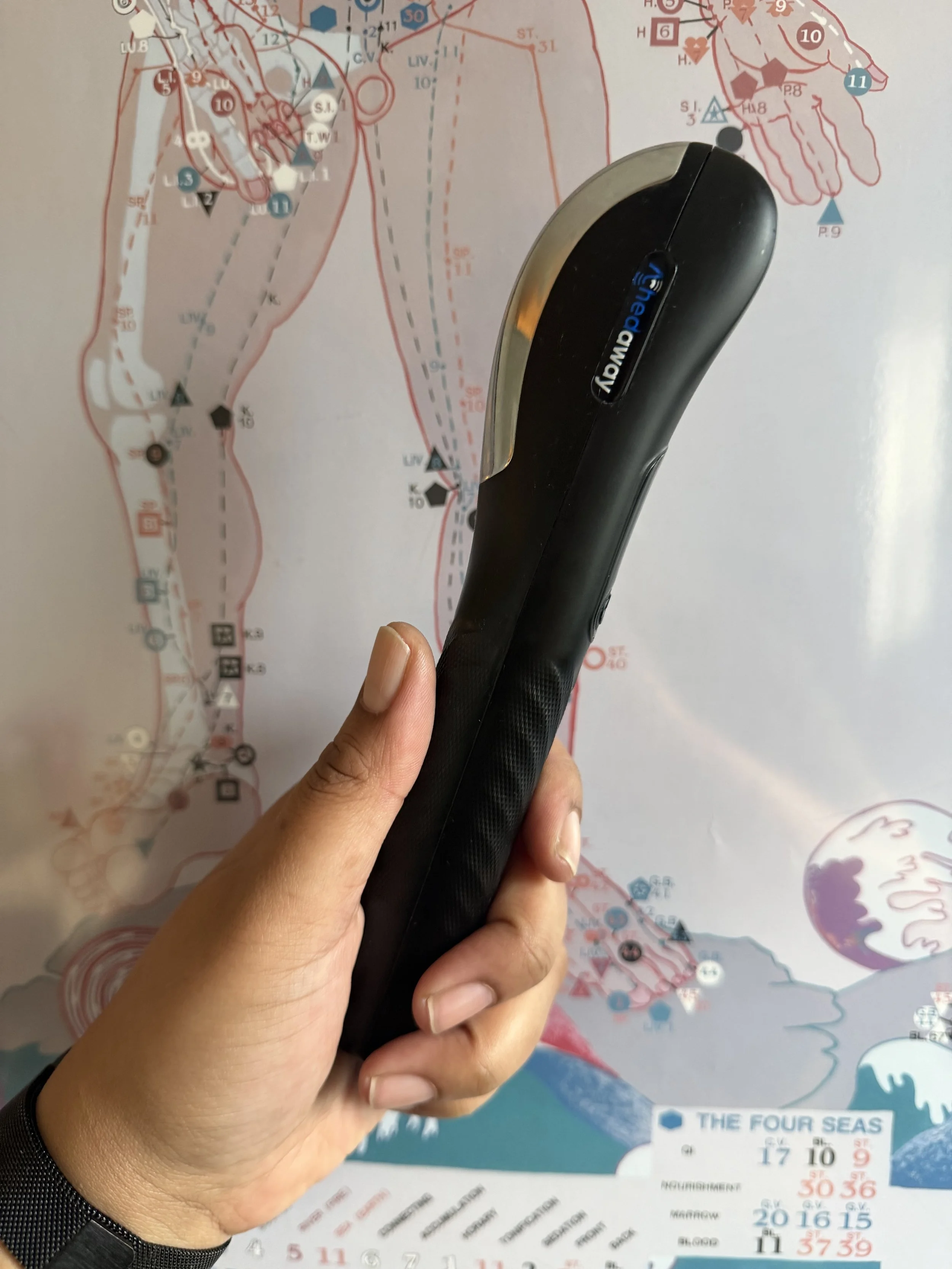
Gua Sha
Gua Sha 刮痧 uses the unidirectional pressing and stroking of smooth-edged tools to treat acute and chronic pain, respiratory conditions, and increase circulation. Traditionally, this technique is performed on various body surfaces using soup spoons, coins, or stone instruments to move Qi and Blood, Clear Heat, and Release the Exterior.
What to expect:
Gua sha involves a scraping motion at various pressures across the body. Your acupuncturist looks for redness or sha to come up with gua sha, to help promote circulation and relieve pain. The pressure may feel like a massage or gentle surface scraping. Similar to cupping, the pink to deep-purple marks left by Gua Sha should be kept warm, dry, and covered until they fade.
E-Stim
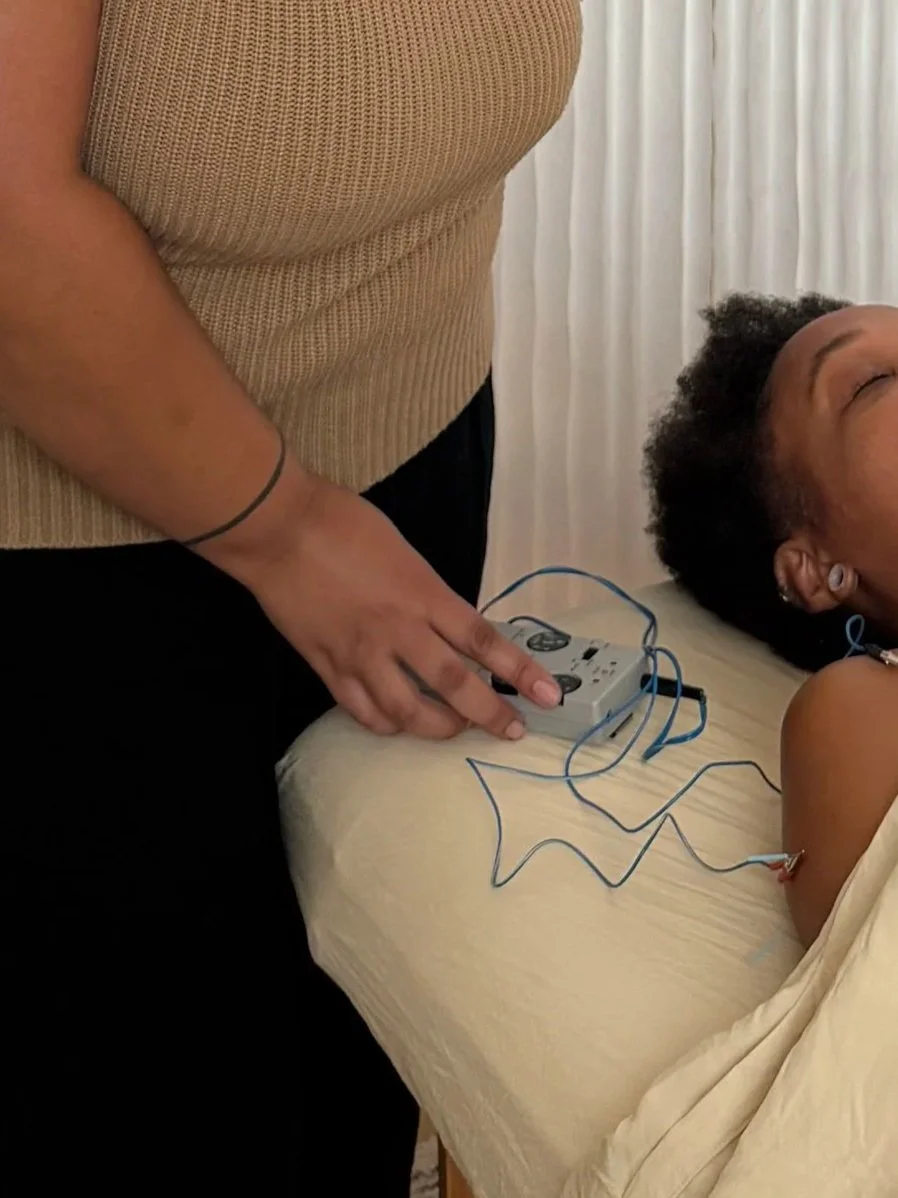
Electroacupuncture, also known as electronic stimulation or e-stim, is the process of attaching a small electrode to the acupuncture needle, and a small amount of electricity runs through the electrode and gives a slight vibration or soft hum during treatment–similar to a TENS machine. Electroacupuncture is great for covering a larger area of the body than traditional needles and is used particularly for acute/chronic musculoskeletal injuries.
What to expect:
During your acupuncture treatment, your practitioner may ask if you would like to receive electroacupuncture to stimulate particular points. The electrodes are attached to specific needles, and using a device, your practitioner will set the intensity starting off low. The electrode mimics the effect of your acupuncturist activating the acupuncture point manually. This ensures you get the right amount of stimulation during your whole treatment. These treatments tend to last 10-20 minutes.
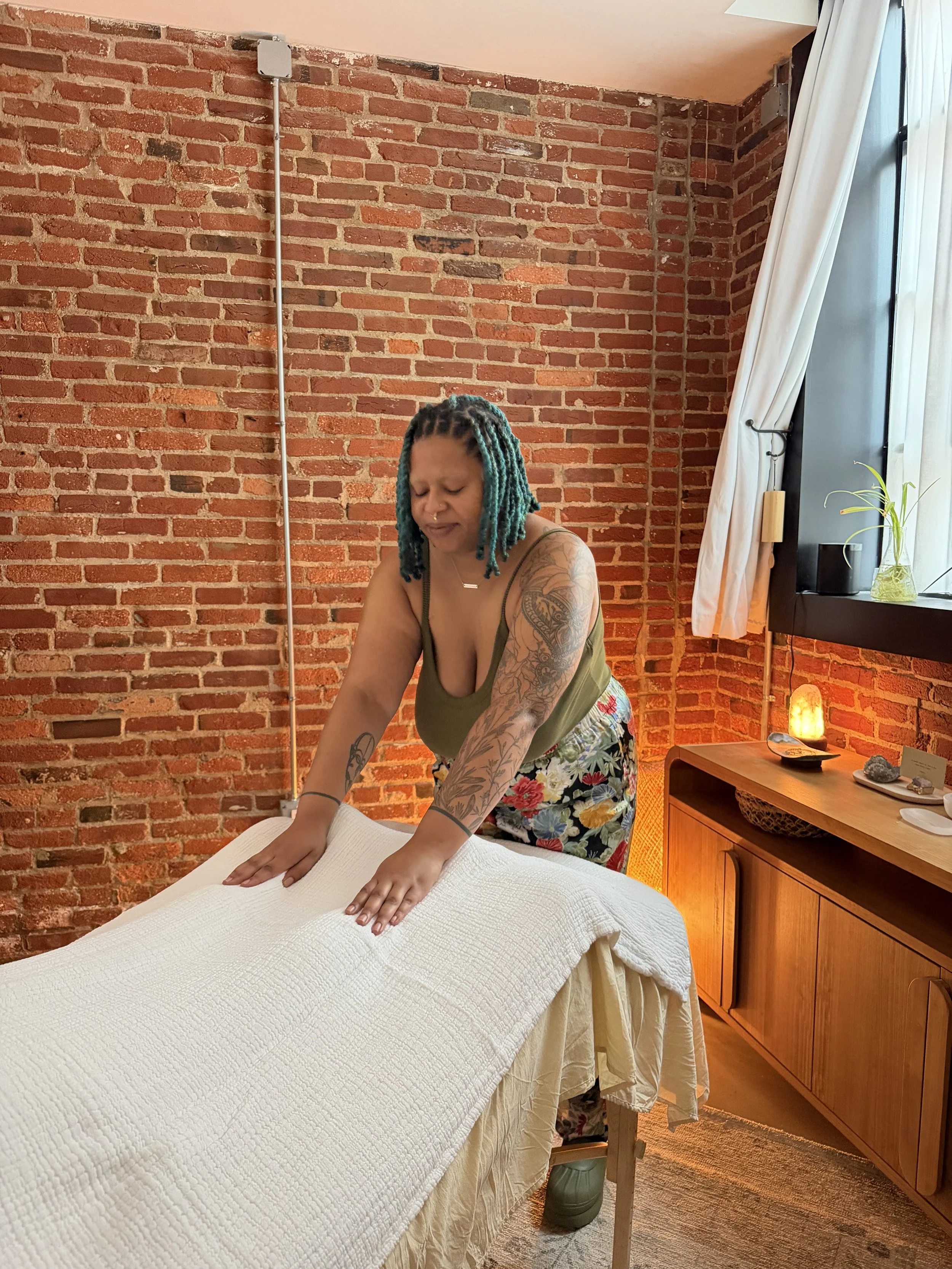
Tui Na
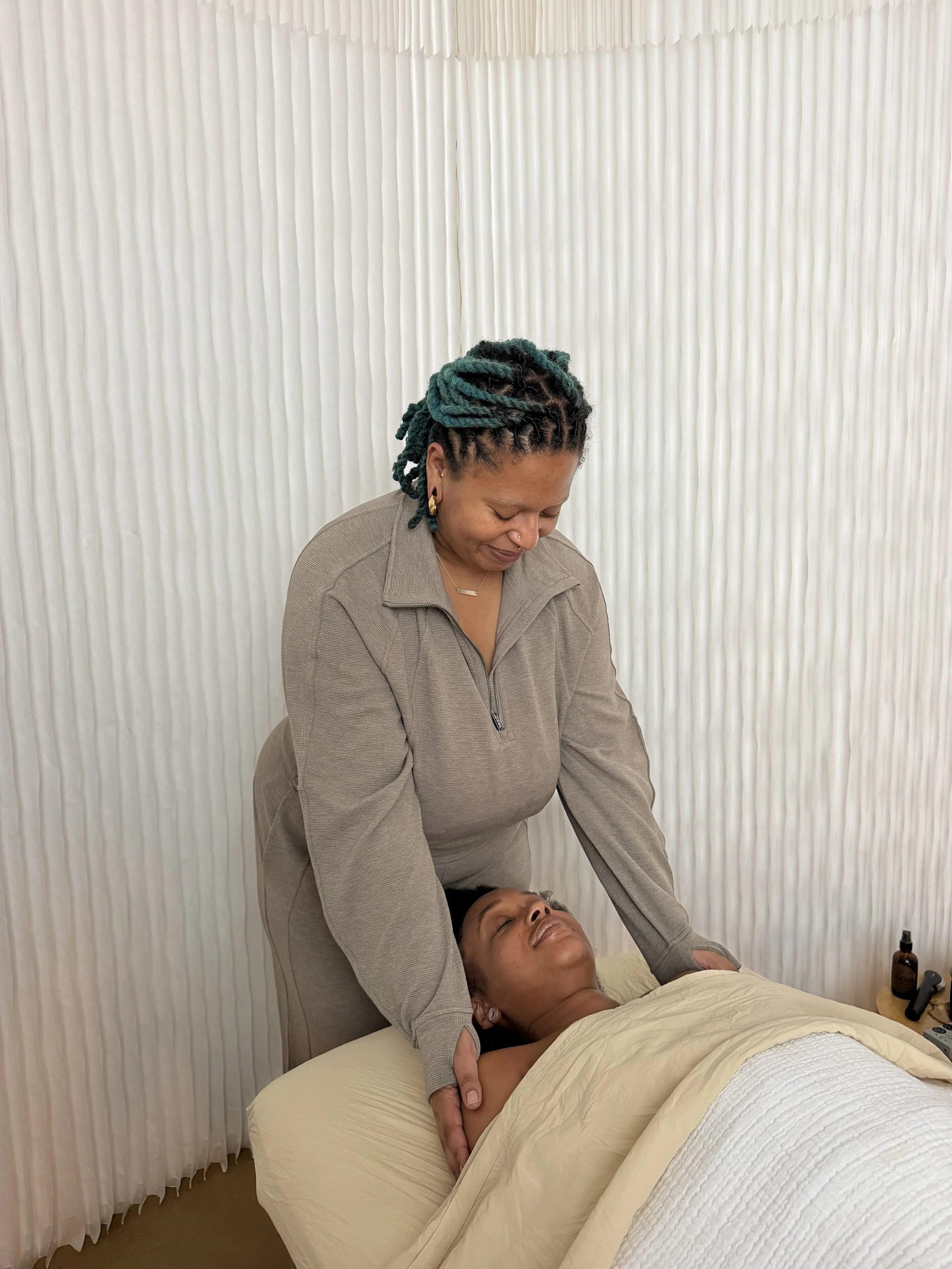
Tui Na (pushing & rolling) is a form of massage therapy that originated in China that uses techniques like acupressure, myofascial release, and reflexology to promote circulation and pain relief. During a session, practitioners use oscillating and pressure techniques that differ in force and speed.
What to expect:
Tui Na massage can be done as a stronger deep-tissue massage or a more gentle, energetic treatment. Practitioners utilize pushing and rolling techniques along channels in the body. Sometimes it's relaxing and sometimes it can be intense depending on the level of pain a patient is in, and how much Qi stagnation is present. This massage can be offered over clothing, but this is left up to the comfort of the patient. While receiving this treatment, please be in communication with your practitioner about pressure and any discomfort.
Lymphatic Drainage
Lymphatic massage involves gently manipulating specific areas of your body to move excess fluid buildup away from your tissues and toward working lymph vessels and lymph nodes so they can get rid of toxins in your body. This treatment is great for draining excess fluid and lymph (lymphedema) through gentle movement along channels. Lymphatic massage is also a popular cosmetic treatment - facial lymphatic drainage increases blood circulation and reduces face puffiness. If a patient is feeling bloated, heavy, fatigued, or noticing discomfort and/or swelling around joints, hands or legs, lymphatic drainage is a great option.
What to expect:
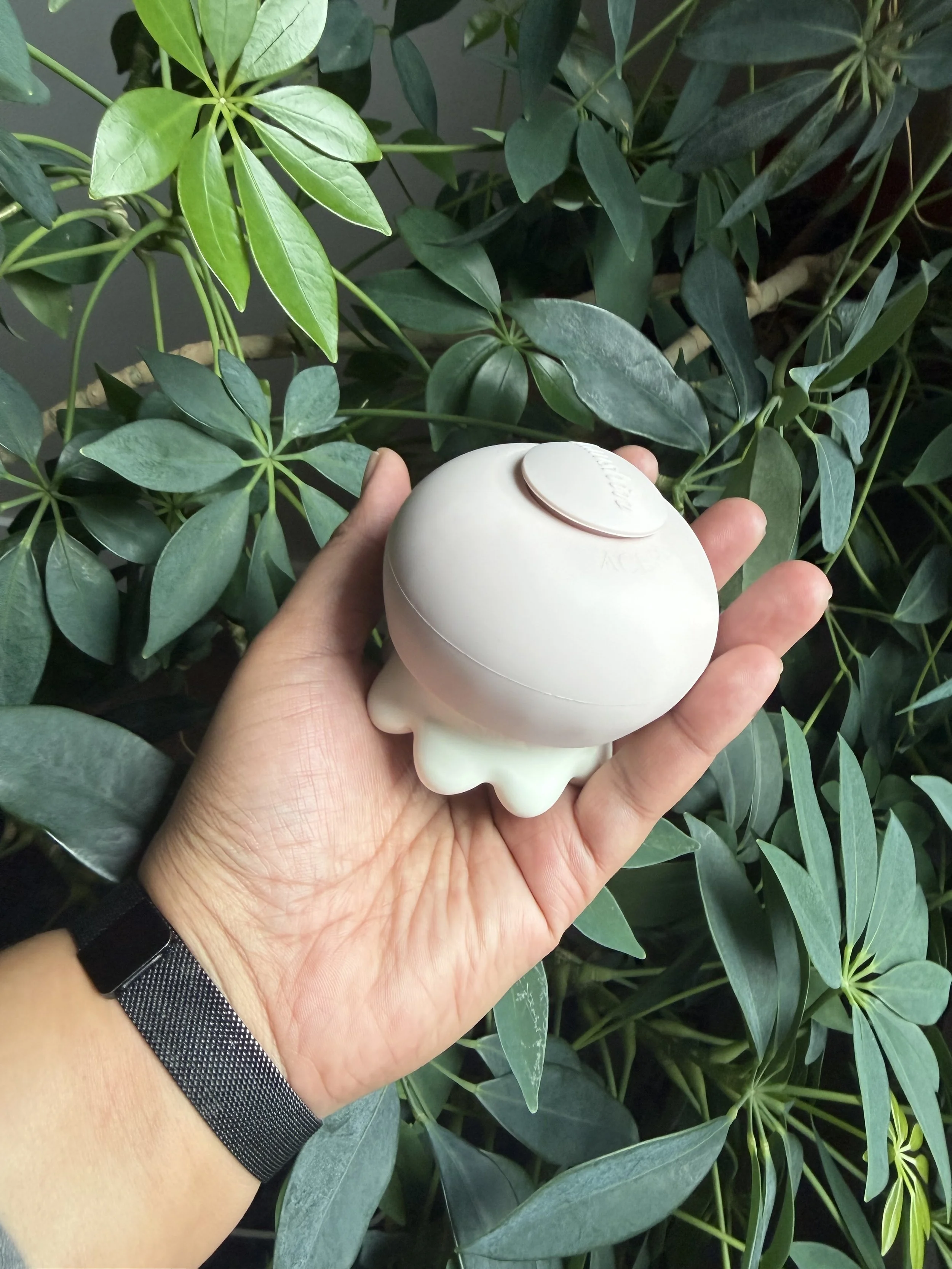
Lymphatic drainage involves gentle shaking along the extremities towards the center of the body. It is a significantly lighter touch than a general deep tissue massage. Your practitioner will activate lymph nodes along the collarbone, armpit, inguinal/groin area, abdomen and around the knees before gently pushing and shaking along lymph channels to encourage drainage and relaxation. This massage is done with no oil, as the gentle friction encourages lymph drainage. Your practitioner may also use a lymphatic brush or heated ceramic massage tool to encourage lymph movement.
Nutrition & Lifestyle
Through a Traditional Chinese Medical lens, your acupuncturist may recommend nutritional and lifestyle suggestions to benefit a patient’s longstanding conditions and treatment plan.
What to expect:
Depending on what comes up in treatment, your practitioner may recommend a few accessible additions to include in your regimen until your next treatment. This could be dietary (local herbs, Chinese herbal formulas/tonics, foods that are good for different organ or channel systems) or routine based (sleep routine adjustments, movement practices like qi gong, meditations).